Research Areas
"Science, my lad, is made up of mistakes, but they are mistakes which it is useful to make, because they lead little by little to the truth" (Jules Verne)
Structural Health Monitoring
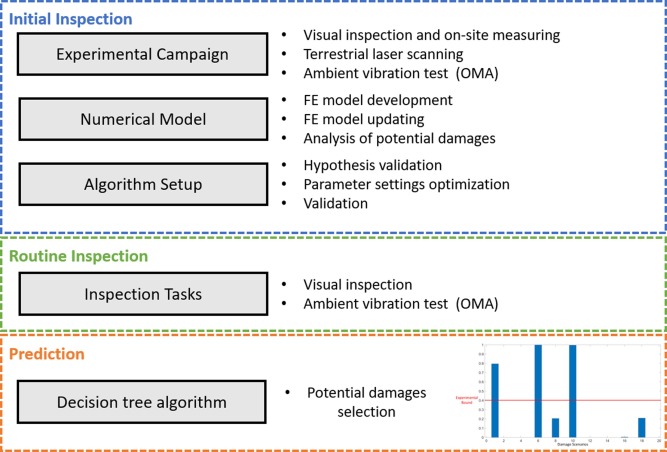
This research line focuses on data-driven and model-based approaches for the condition assessment of structures, with particular emphasis on bridges and transport infrastructure. The work combines sensing, vibration-based analysis, diagnostic algorithms and structural interpretation to support early damage detection and informed maintenance decisions.
Key topics
- Vibration-based damage detection
- Data-driven diagnostics and decision support
- Monitoring strategies for bridges and large structures
- Early warning and structural condition assessment
Projects

Structural Robustness
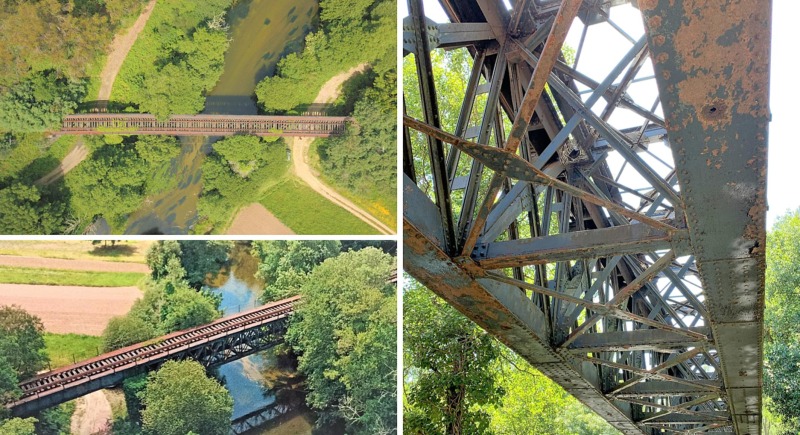
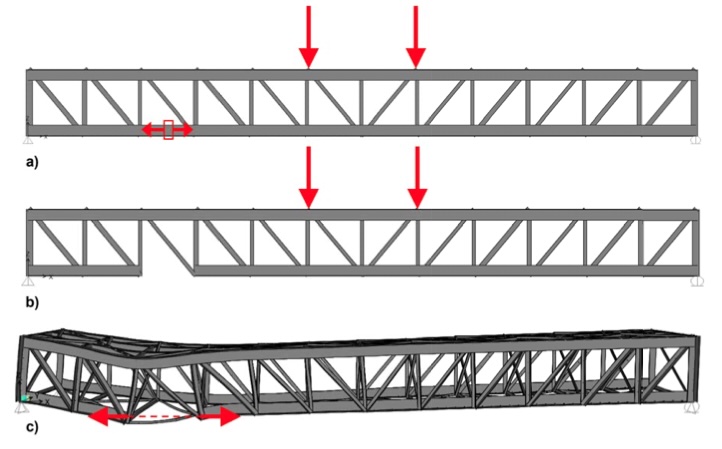
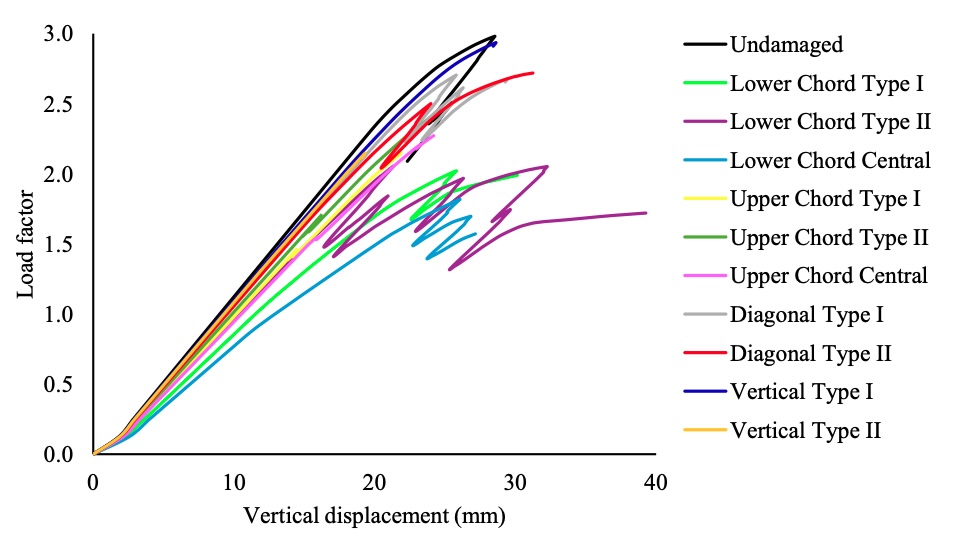
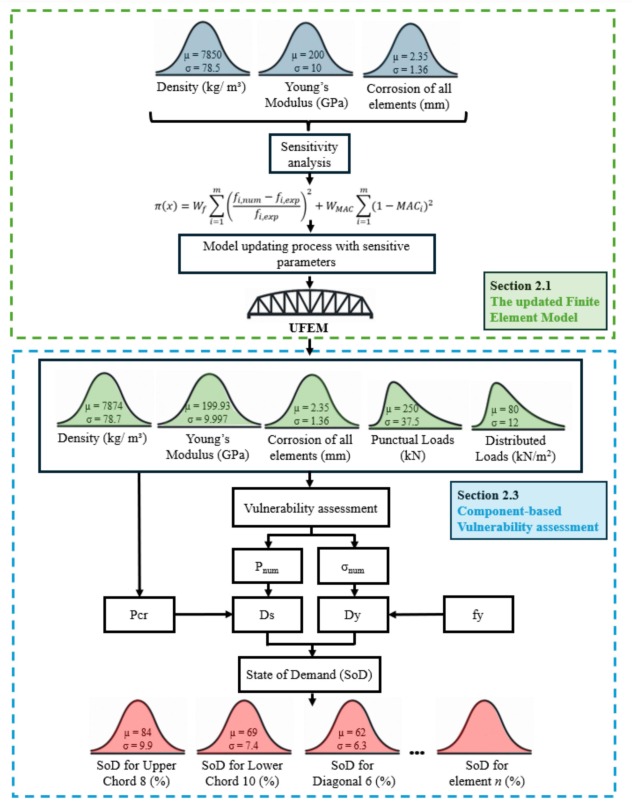
This line addresses the capacity of structures to withstand local damage, abnormal events and progressive failure without disproportionate collapse. It combines reliability analysis, failure-scenario modelling and component-level vulnerability assessment to better understand how bridges behave under critical conditions and how hidden reserve mechanisms contribute to safety.

Modeling of the Built Environment
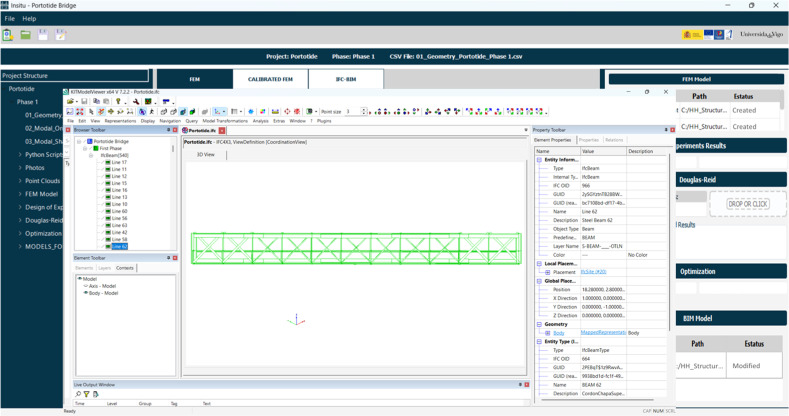
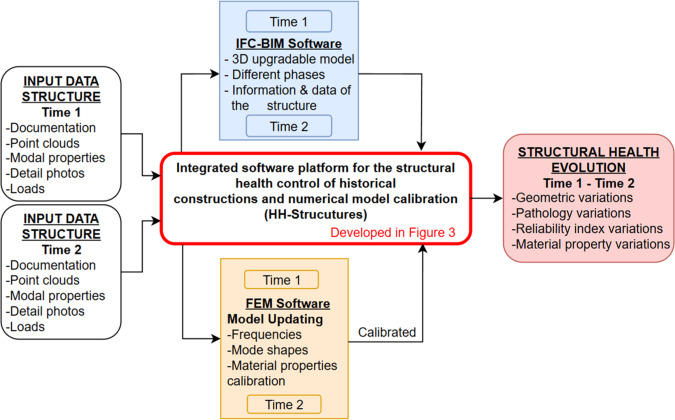
This research line develops digital methodologies for representing, analysing and managing the built environment. It integrates BIM, finite element models, point clouds and interoperable digital workflows to support structural assessment, lifecycle management and sustainability-oriented decision-making.
Key topics
- BIM-FEM interoperability
- Point-cloud-based model generation
- Digital workflows for assessment and management
- Lifecycle, cost and sustainability analysis
Projects

Physics-Informed Machine Learning
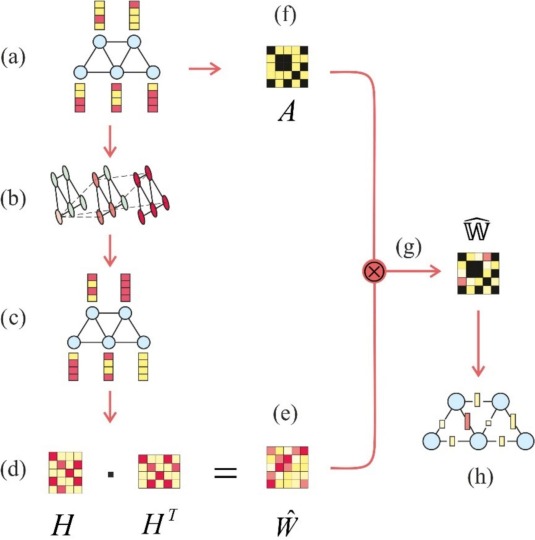
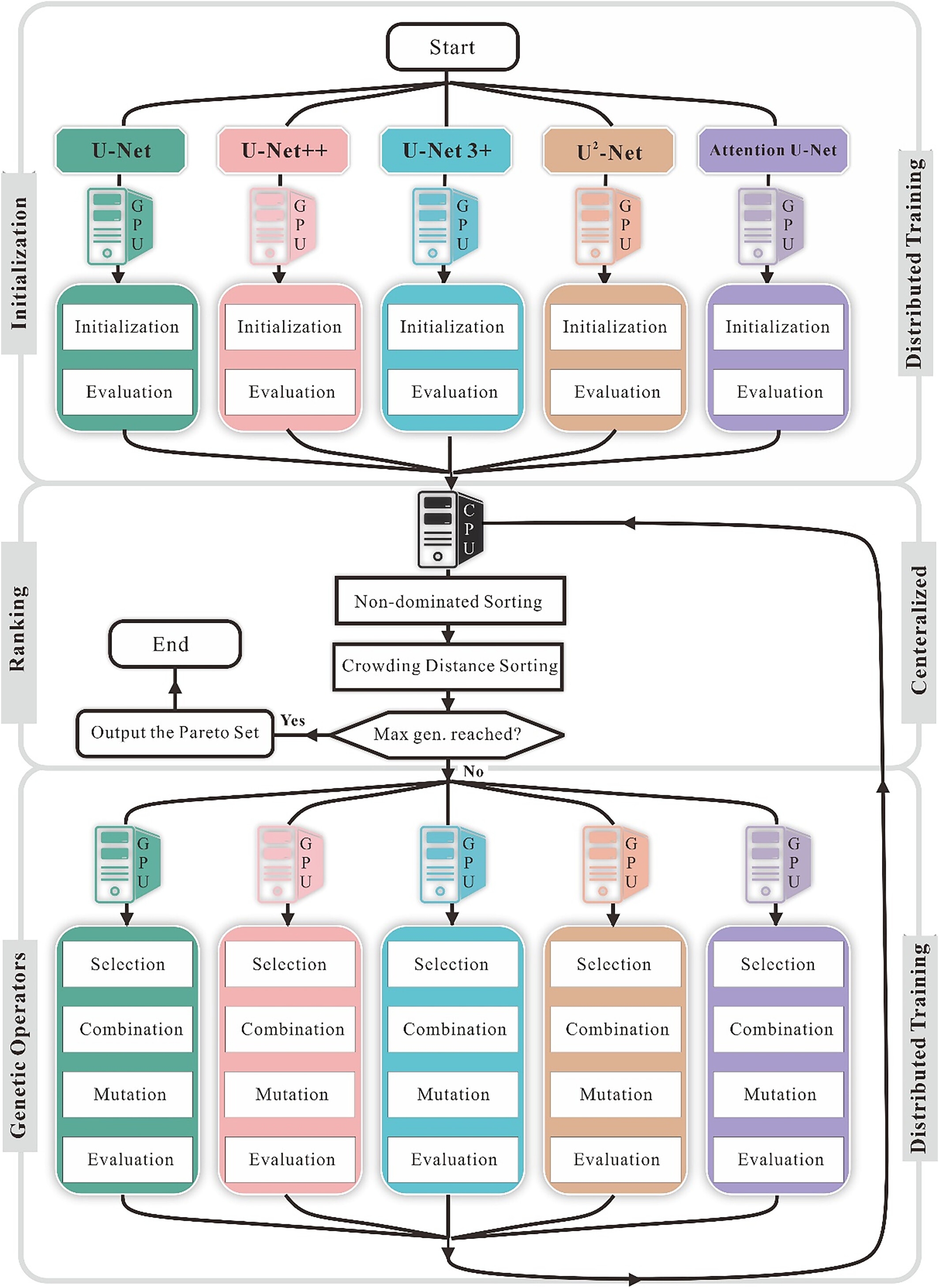
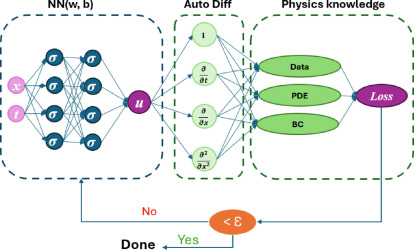
This line explores machine learning methods guided by structural behaviour, engineering constraints and spatial information. The goal is to develop efficient and trustworthy predictive tools for infrastructure assessment, combining artificial intelligence with mechanics-based understanding and engineering datasets.
Key topics
- AI for crack detection and image segmentation
- Surrogate models for structural response prediction
- Point-cloud and transformer-based learning
- Hybrid AI models informed by engineering knowledge
Projects
Resilience of Critical Infrastructures
This line focuses on the ability of critical infrastructure systems to anticipate, withstand, recover from and adapt to extreme events. It combines monitoring, predictive modelling, geospatial tools and risk-informed decision support to improve the long-term safety and functionality of transport and urban infrastructure networks.